
Imagine this: Two years ago, your vehicle was hit in a car crash. Since that time, you’ve been dealing with chronic pain that won’t go away, despite treatment, physical therapy, and medications. This pain has affected your ability to work, and cost you thousands of dollars in medical bills. When the crash happened, you didn’t bother to contact a lawyer, and now? Well, now it feels too late to do anything.
But is it really?
Hundreds of people in the U.S.A. suffer from physical, mental, and financial damage from situations where they were not at fault. And yet, many fail to seek out legal assistance at the beginning. As time passes, they may start to believe that there is nothing they can do to recover damages. However, the truth is a bit more complex than that. And, it might work in your favor!
The compensation you receive is dependent on whether you are within the statute of limitations. Under the Florida statute of limitations you have two years after your injury to file a claim and start the legal process. Sounds confusing? Don’t worry. We’ll make it simple for you.
Today’s blog post will cover the Florida statute of limitations for personal injury, a set of legal rules that can help you determine the amount of time that you have to seek damages for any injury that was caused by negligence. We’ll help answer all of your questions, including:
- What is the statute of limitations in Florida for personal injury?
- What happens if I am past the statute of limitations?
- How the statute of limitations affects personal injury cases
Keep reading for all the facts you need!

What Does The Statute of Limitations Mean?
Let’s start with the basics: what is the statute of limitations?
The statute of limitations is a law that outlines the amount of time in which parties in a dispute have to initiate legal proceedings. This set amount of time changes depending on the type and severity of the crime.
- Personal Injury – For personal injury cases, plaintiffs typically have between 1-4 years to take legal action against the defendant.
- Criminal Offenses – Criminal offenses cover a wide range of crimes. While murder has no statute of limitations, other offenses including assault, battery, and sexual assault do. And while rules vary from state to state, there usually is no statute of limitations on crimes of this nature.
- Consumer Debt – Consumer debt, wherein individuals have failed to pay their creditors, is also subject to a statute of limitations. The time typically ranges from 3-6 years. However, even if you are past the statute of limitations, it does not exempt you from paying your debt, only from having legal action taken against you.
While these ranges can be used as a general guideline, it’s essential to understand the rules in the state that you reside.
Understanding The Statute of Limitations In Florida
We know what you are thinking. “That’s all well and good, but it doesn’t have anything to do with me! What is the statute of limitations for personal injury in Florida?”
You’re right to ask that question! As we’ve mentioned, when it comes to statute of limitations, the state that you reside in is particularly important. For many years, Florida law stated that the statute of limitations for personal injury cases was 4 years. However, in 2023 an amendment passed that changed the Florida personal injury statute of limitations to only two years.
This means that if you believe you are a victim of negligence, you have two years in which to seek legal assistance and form a case against the person you are suing.
Not sure if your case counts as a personal injury case? Personal injury lawsuits can encompass a wide range of situations, including the following:
- Car accidents
- Dog bites and attacks
- Defective products
- Medical malpractice
- Premises liability (ex. Slips and falls, pool drownings)
If you aren’t sure whether or not your situation counts as a personal injury case, it is always best to consult with a knowledgeable personal injury attorney.
What If You Are Past The Statute of Limitations?
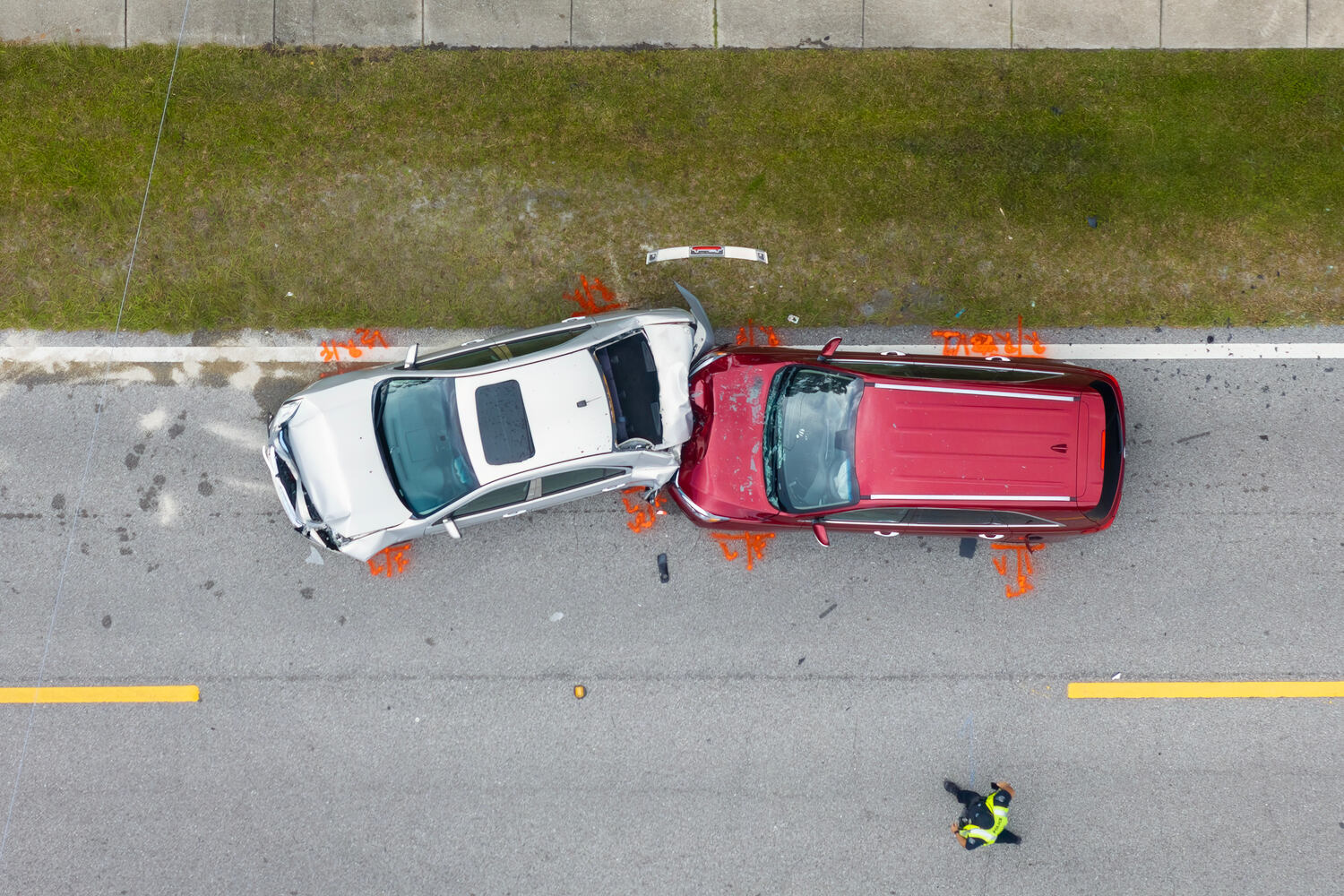
Let’s go back to our scenario at the beginning of this article. You’re a victim of a car crash, but it’s been two years since you were hit. Since you are past the statute of limitations, is your case a lost cause?
In most cases, the answer is unfortunately yes. There’s not much that you can legally do to recoup costs if the statute of limitations is past. However, like all things in life, there are exceptions. Let’s cover a few of them.
The Defendant Leaves The State
No, we’re not talking about the defendant taking an extended vacation. If the defendant flees the state to avoid legal action, you may be able to pursue your case beyond the statute of limitations. However, in order for this exception to apply the defendant would have to leave the state for a long period of time that caused you to be unable to take them to court. Short absences would typically not be considered an exception.
The Defendant Is In Hiding
In some extreme cases the defendant may hide or conceal themselves in order to escape legal action. In this scenario, you would be able to pursue legal action beyond the two year statute of limitations, should the defendant’s location become known.
The Victim is a Minor
If you, as the victim, are a minor at the time of injury, the statute of limitations will be at a standstill. They restart as soon as you come of age.